
Addressing Spina Bifida and Hydrocephalus as a National Health and Development Priority
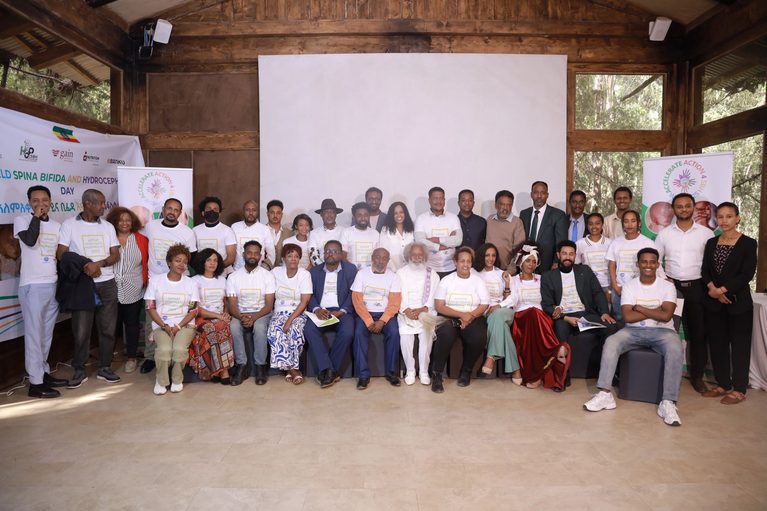
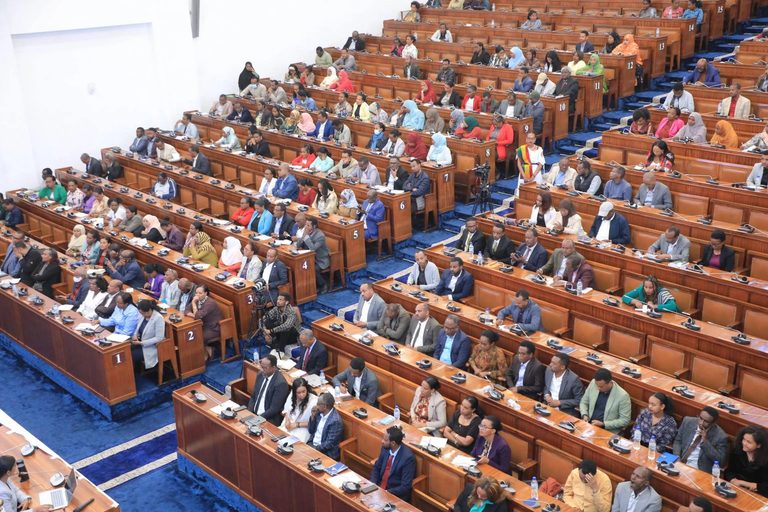
World Spina Bifida and Hydrocephalus (SBH) Day 2025 was marked at Ethiopia’s House of Peoples’ Representatives, bringing greater attention to the challenges faced by children and families affected by Spina Bifida and Hydrocephalus and the urgent need for stronger national action.
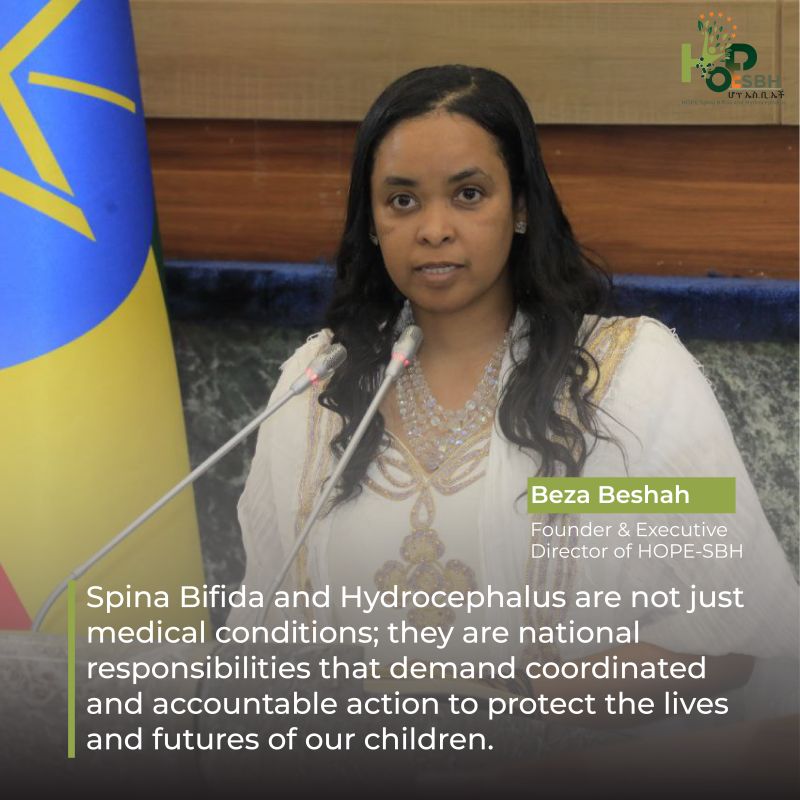
During the event, HOPE-SBH Founder and Executive Director Beza Beshah addressed the House of Peoples’ Representatives, emphasizing that Spina Bifida and Hydrocephalus are not only complex neurological conditions, but issues with significant health, educational, economic, and social consequences.
Children living with these conditions often face severe physical disabilities, barriers to education and essential health services, social marginalization, and psychological challenges. Families, particularly parents and caregivers, can also experience significant emotional and financial pressures while navigating lifelong care needs.
The Reality Facing Affected Families
Evidence from a follow-up survey conducted among more than 100 families within the HOPE-SBH association highlights the difficult realities experienced by many children living with Spina Bifida and Hydrocephalus.
The findings showed that:
- 26% of the children had passed away.
- 71% had received no physical support or rehabilitation services.
- 22% required wheelchairs because of mobility limitations.
- 13% were unable to sit or move independently.
- 49% could not access school or early childhood education.
- 16% experienced repeated surgeries due to shunt failure.
- More than 70% lived with bladder and bowel incontinence, requiring ongoing hygiene support and care.
These figures demonstrate that survival alone is not enough. Children and families affected by Spina Bifida and Hydrocephalus need continuous access to healthcare, rehabilitation, assistive devices, education, psychosocial support, and social protection.
Prevention Is Possible
The discussion also highlighted the significant opportunity to prevent many cases of neural tube defects through appropriate nutrition and public health interventions.
Studies indicate that approximately 30,000 children are born with Spina Bifida and Hydrocephalus each year in Ethiopia, underscoring the scale of the issue and the importance of prevention alongside care and support.
An estimated 70–75% of these cases may be preventable through appropriate nutritional interventions, including adequate folic acid intake and food fortification.
For Ethiopia, this means prevention cannot be addressed by the health sector alone. Sustainable progress requires coordinated action across health, agriculture, industry, education, trade, social protection, government institutions, and development partners.
From Awareness to Action
World SBH Day 2025 provided an important platform to bring the experiences of affected children and families into national discussions. The realities presented at the House of Peoples’ Representatives demonstrate the need to strengthen both prevention and lifelong support for people living with Spina Bifida and Hydrocephalus.
HOPE-SBH continues to advocate for a future where children are protected from preventable neural tube defects and those living with Spina Bifida and Hydrocephalus can access the care, education, inclusion, and opportunities they need to live with dignity.
With collective commitment, evidence-based prevention, and coordinated action, Ethiopia can reduce preventable cases and improve the lives of thousands of children and families affected by Spina Bifida and Hydrocephalus.